Teen Mental Health: Recognizing When Your Teen is Struggling
Key Points:
- Teen mental health challenges are increasingly common, affecting approximately 1 in 5 teenagers
- Adolescence involves unique biological, social, and emotional changes that increase mental health vulnerability
- Depression, anxiety, and ADHD in teens often look different than in adults, making them easy to miss
- Parents and trusted adults play a critical role in recognizing struggles and encouraging help-seeking
- Teen mental health is highly treatable when properly identified and addressed early
Why Adolescence is a Mental Health Vulnerability Window
Your teenager used to talk to you. Now they barely speak. They're withdrawn, irritable, or seem anxious about everything. You're not sure if this is normal teen behavior or something more serious.
This uncertainty is common. Adolescence is genuinely confusing. Teens experience massive physical, emotional, cognitive, and social changes. Some moodiness and withdrawal is developmentally normal. But distinguishing between typical adolescent changes and genuine mental health concerns is crucial.
At Harborside Psychiatry, we work with teenagers ages 13-17, and we see how often teen mental health struggles go unrecognized or get dismissed as "just being a teenager." This can be dangerous.
Let's break down what makes teen mental health unique, what signs suggest something more serious than typical teen behavior, and when to seek professional help.
Why Teens Are Vulnerable to Mental Health Issues
Adolescence is a period of unprecedented change and vulnerability:
Brain Development
The teenage brain is literally still developing, particularly the prefrontal cortex (responsible for judgment, impulse control, and planning). This development doesn't complete until the mid-20s.
This means teens have:
- Increased emotional intensity without mature emotional regulation
- Difficulty with impulse control and long-term consequences
- Heightened reward-seeking behavior
- Tendency toward risk-taking
- Strong peer influence susceptibility
This isn't a teen character flaw. It's neurobiology.
Hormonal Changes
Puberty involves dramatic hormonal fluctuations affecting mood, sleep, energy, and emotional regulation. Hormone changes can trigger or worsen mental health conditions like depression and anxiety.
Social and Emotional Demands
Adolescence involves:
- Identity formation ("Who am I?")
- Peer relationships becoming increasingly important
- Romantic relationships and sexual development
- Increased academic pressure
- Social media and comparison
- Navigating social hierarchies and exclusion
- Preparing for adult independence
These developmental tasks are genuinely stressful.
Environmental Stressors
Modern teens face:
- Social media pressure and cyberbullying
- Academic pressure and college competition
- Uncertainty about the future
- Exposure to global crises (climate change, political conflict)
- Post-pandemic effects (disrupted schooling, isolation)
- Limited sleep (school start times, homework, social media)
Common Teen Mental Health Conditions
Several conditions are particularly common in adolescence:
Teen Depression
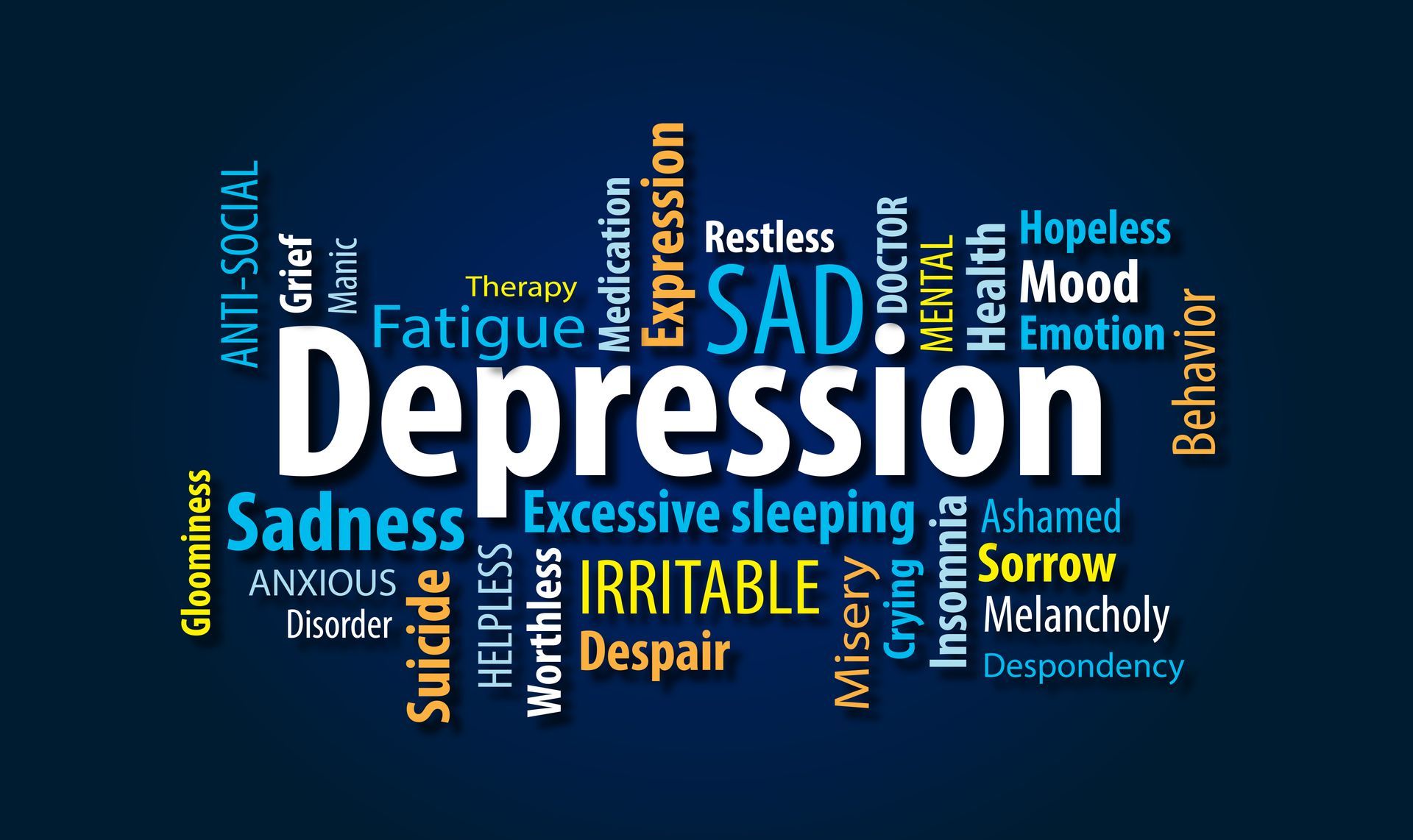
Depression in teens often looks different than adult depression. Teens might experience:
- Irritability and anger rather than sadness
- Social withdrawal
- Changes in school performance
- Sleep and appetite changes
- Loss of interest in activities
- Risk-taking or reckless behavior
- Difficulty concentrating
- Vague physical complaints (headaches, stomachaches)
Teenage girls show higher depression rates than boys, though boys' depression often goes undiagnosed. Learn more aboutdepression in men and how this pattern begins in adolescence.
Teen Anxiety
Anxiety in teens is extremely common:
- Generalized worry about school, friends, appearance, future
- Panic attacks (sudden intense fear with physical symptoms)
- Social anxiety and fear of judgment
- Perfectionism and academic pressure
- Physical symptoms (headaches, stomach problems, tension)
Anxiety often leads to avoidance, which can limit teens' social life, academics, and development.
Teen ADHD
Many teens aren't diagnosed with
ADHD until adolescence when academic demands increase. Teens with ADHD struggle with:
- Focus and attention, especially on non-preferred tasks
- Organization and time management
- Following multi-step instructions
- Impulsivity
- Restlessness
- Executive function
Girls with ADHD are particularly often missed. Learn more about ADHD in women, a pattern that often starts with missed diagnosis in teenage girls.
Other Conditions
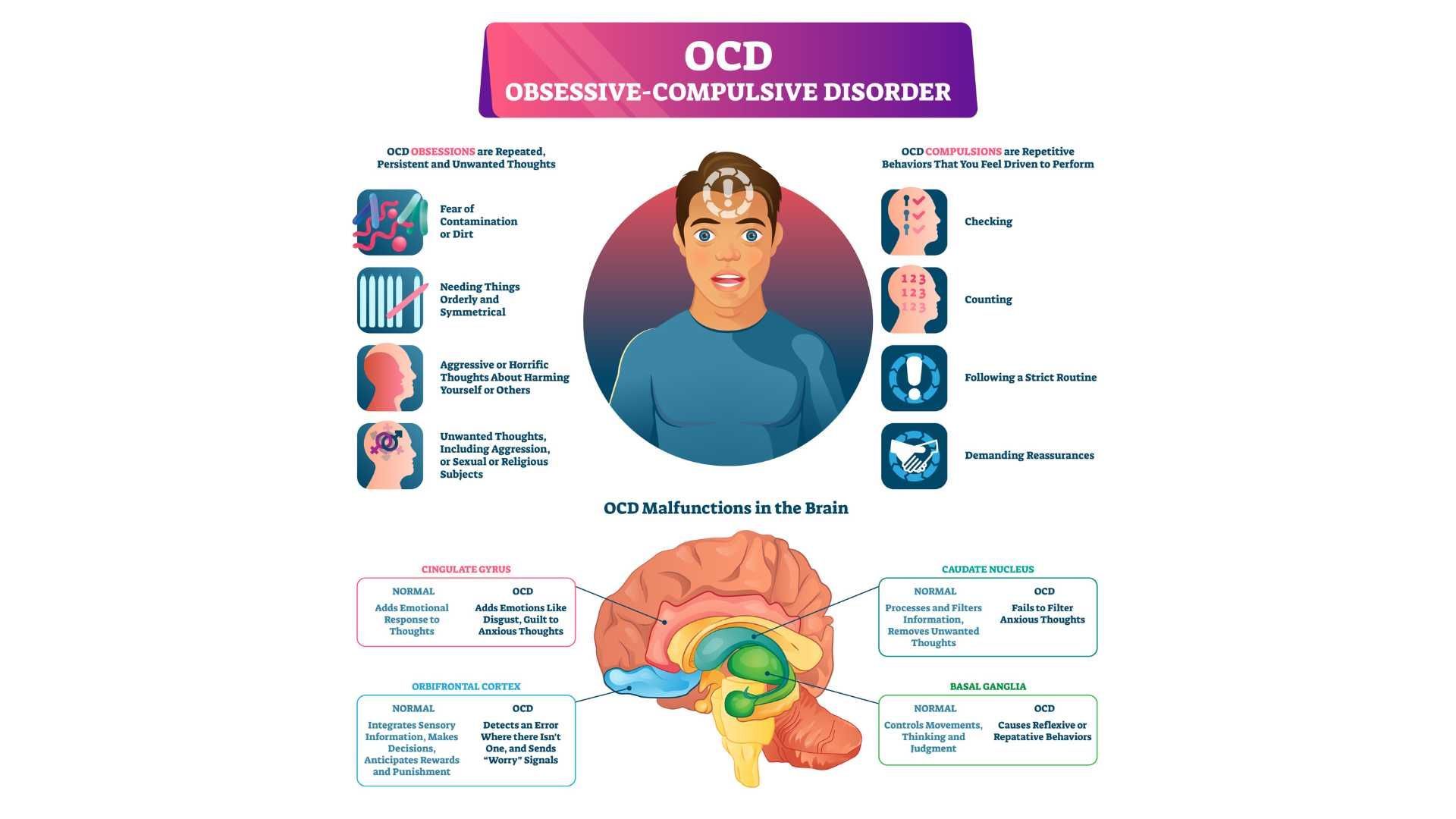
Teens also experience OCD, bipolar disorder, trauma-related conditions, eating disorders, and substance use issues.
Why Teens Don't Seek Help
Even when struggling, many teens don't reach out:
Embarrassment and shame: Teens worry about being seen as weak or "messed up."
Fear of judgment: They fear peers or adults will think negatively of them.
Minimization: "Everyone feels this way" or "I should be able to handle this."
Lack of awareness: They might not recognize their symptoms as a mental health issue.
Trust issues: They don't trust adults with vulnerable information.
Privacy concerns: They worry about confidentiality.
Independence drive: Seeking help feels like admitting failure.
Parents and trusted adults often have to notice the struggles and initiate help-seeking.
Warning Signs Your Teen is Struggling
Look for these changes in mood, behavior, or functioning:
Mood Changes
Persistent sadness or emptiness: Low mood lasting weeks, not just bad days
.
Irritability and anger: Snapping at people, overreacting, aggressive outbursts.
Emotional numbness: Not caring about anything, flat affect.
Anxiety: Excessive worry, nervousness, panic symptoms.
Behavioral Changes
Social withdrawal: Isolating from friends and family, avoiding social situations.
Loss of interest: Stopping activities they used to enjoy.
Sleep changes: Sleeping much more or less than usual, difficulty falling asleep.
Appetite changes: Eating much more or less, weight changes.
Neglecting appearance: Not showering, changing clothes, or caring about looks.
Risky behavior: Substance use, recklessness, dangerous activities.
School performance decline: Grades dropping, missing assignments, skipping school.
Physical Complaints
Vague physical symptoms: Headaches, stomachaches, body aches without clear medical cause.
Fatigue: Exhaustion despite adequate sleep.
Physical agitation or lethargy: Restlessness or slowness observable to others.
Concerning Statements
Hopelessness: "Nothing will get better," "I'm worthless."
Self-harm mentions: Talking about hurting themselves.
Suicidal statements: Even vague mentions like "I wish I wasn't here" warrant immediate attention.
Persistent negative self-talk: Constant self-criticism and blame.
When to Seek Professional Help
Professional evaluation is warranted if:
Symptoms persist: Changes lasting more than two weeks suggest professional assessment.
Functional impairment: If the teen's symptoms interfere with school, relationships, or daily tasks.
Safety concerns: Any mention of self-harm or suicide requires immediate professional attention.
You're worried: Your parental instinct is often right. If something feels off, professional evaluation is appropriate.
Crisis situations: Suicidal statements, self-harm, substance overdose, or violent behavior require emergency intervention. Call 988 (Suicide and Crisis Lifeline) or go to the emergency room.
Teen Mental Health Treatment
Teen mental health is highly treatable. Treatment typically involves:
Therapy
Cognitive Behavioral Therapy (CBT): Helps teens identify thought patterns and behaviors affecting mood and anxiety. Learn about CBT and anxiety.
Individual therapy: One-on-one work on specific issues.
Family therapy: Involves parents/guardians in understanding and supporting recovery.
Group therapy: Connecting with peers facing similar challenges.
Medication
Medications can help depression, anxiety, ADHD, and other conditions. Teens often benefit from combined medication and therapy.
SSRIs for depression/anxiety: FDA-approved for teens.
Stimulants for ADHD: Help with focus and impulse control.
Other medications: Depending on diagnosis.
Medication works best combined with therapy and lifestyle changes.
Lifestyle Support
Sleep: Teens need 8-10 hours. Sleep deprivation worsens mental health. Limiting screen time before bed helps.
Exercise: Regular physical activity significantly improves mood and anxiety.
Nutrition: Healthy eating supports brain health.
Social connection: Maintaining friendships and feeling supported is protective.
Stress management: Learning techniques like mindfulness. Learn about mindfulness.
Screen time limits: Reducing social media and gaming improves mental health.
School support: Working with teachers on accommodations if needed for ADHD or other conditions.
Comprehensive Approach
At Harborside Psychiatry, we work with teens (ages 13-17) and provide comprehensive assessment and treatment. Our psychiatric mental health nurse practitioners:
- Provide thorough diagnostic evaluation
- Prescribe medication when appropriate
- Provide evidence-based therapy
- Work with parents as appropriate
- Address lifestyle factors
- Ensure confidentiality within legal/safety limits
Learn more about our complete range of services and comprehensive treatment approach.
How Parents Can Help
If you're concerned about your teen:
Start a conversation: "I've noticed you seem sad/worried/withdrawn lately. I'm concerned. Can we talk about it?"
Listen without judgment: Don't minimize or judge. Just listen.
Validate their experience: "That sounds really hard."
Suggest professional help: "I think talking to someone might help. Would you be willing to try?"
Follow through: Actually schedule and attend appointments.
Support treatment: Encourage therapy attendance, medication adherence, and lifestyle changes.
Model self-care: Teens learn from watching you manage stress.
Maintain connection: Stay involved despite teen's push for independence.
Know crisis resources: 988 (Suicide and Crisis Lifeline) and your local emergency room.
Statistics: How Common is Teen Mental Health Issues?
The scope is significant:
- Approximately 1 in 5 teens experience mental health conditions
- Depression affects 3-4% of teens
- Anxiety affects 15-20% of teens
- ADHD affects 7-11% of teens
- Suicide is the second leading cause of death in teens (after accidents)
- Teen suicide attempts increased significantly post-pandemic
These statistics show teen mental health challenges are common and serious. Early intervention saves lives.
Recovery and Resilience
The good news: teens respond very well to treatment. With proper support, most teens recover significantly.
Many teens describe post-treatment life as: "I didn't realize how much this was affecting me until I felt better," or "I wish I'd gotten help sooner."
Early intervention, family support, and appropriate treatment lead to excellent outcomes.
FAQs About Teen Mental Health
Is it normal for teens to be moody?
Some moodiness is developmentally normal. Teens have big feelings and hormonal changes. But persistent sadness, irritability lasting weeks, or withdrawn behavior suggests something more than typical teen moodiness.
How do I talk to my teen about mental health?
Start casually, without judgment. Listen more than you talk. Validate their feelings. Suggest professional help gently: "I'm concerned and think talking to someone might help."
Will therapy make my teen see themselves as broken?
Good therapy actually builds resilience and helps teens feel understood. It normalizes mental health challenges and provides tools. Most teens feel relief getting professional support.
What's the difference between teen and adult mental health treatment?
Treatment addresses developmental stage. Teen therapy incorporates family involvement, addresses peer relationships, and considers school factors. Dosing of medications is adjusted for developing bodies.
Should I tell my teen's school about their mental health?
It depends. If your teen needs school accommodations (for ADHD, anxiety, etc.), formal notification helps. But this is a personal decision to discuss with your teen and provider.
Will my teen be on medication forever?
Not necessarily. Some teens take medication for a period, then successfully stop. Others benefit from long-term medication. Your provider helps determine what's right.
FAQs About Harborside Psychiatry
Do you treat teenagers?
Yes. We work with teens ages 13-17. We understand adolescent development and provide age-appropriate care.
Do you involve parents in teen treatment?
We balance teen confidentiality with parental involvement. We work collaboratively, with parent involvement level determined by the teen's age, situation, and preferences.
How do I get my teen to agree to treatment?
Many teens resist initially. We recommend normalizing mental health care ("lots of people see therapists"), addressing specific concerns, and gently encouraging it. Sometimes a parent attending the first appointment helps.
Do you offer telehealth for teens?
Yes. All our services are via secure telehealth. This can be especially convenient for teens with school/activity schedules.
How do I schedule a teen evaluation?
Book an appointment online, call or text (541) 714-5610, or email info@harborsidepsych.com. You can schedule as a parent concerned about your teen.
Your Teen Doesn't Have to Struggle Alone
If you're concerned your teen is struggling, trust your instinct. Early intervention changes lives.
Teen mental health challenges are real, common, and treatable. With proper support, teens recover and go on to thrive.
Ready to help your teen get support? Schedule an evaluation with Harborside Psychiatry or call us at (541) 714-5610. We specialize in teen mental health. We understand adolescence. And we're here to help your teen feel better.
Visit
Harborside Psychiatry to learn more about our teen mental health services and comprehensive approach throughout Oregon.
Disclaimer: The information provided on this blog is for general informational purposes only and is not intended as, and should not be considered, medical advice. All information, content, and material available on this blog are for general informational purposes only. Readers are advised to consult with a qualified healthcare professional for medical advice, diagnosis, or treatment. The author and the blog disclaim any liability for the decisions you make based on the information provided. Always seek the advice of your physician or other qualified health provider with any questions you may have regarding a medical condition.