Why Men Don't Seek Help for Mental Health: Breaking the Barriers
Key Points:
- Men are significantly less likely than women to seek mental health care despite experiencing similar or higher rates of depression and suicide
- Cultural expectations around masculinity create barriers that prevent men from recognizing and addressing mental health issues
- Men often experience depression differently than women, leading to misdiagnosis or no diagnosis at all
- Asking for help is a sign of strength, not weakness
- Effective mental health care for men requires understanding their unique needs and barriers
The Silent Struggle
A man sits at his desk feeling completely overwhelmed. He hasn't slept well in weeks. Everything feels pointless. He's irritable with his family for no real reason. He's drinking more than usual to numb the feelings.
But he doesn't tell anyone. He doesn't call his doctor. He doesn't mention it to friends or family. He just keeps pushing through, telling himself to "man up" and handle it.
This is the reality for millions of men. At Harborside Psychiatry, we see this pattern constantly. Men wait longer to seek help, experience more severe symptoms by the time they do reach out, and are more likely to attempt suicide than women (though women attempt more frequently, men are more likely to complete it).
This isn't because men are weak or incapable of managing mental health. It's because of specific, identifiable barriers that keep men from getting the care they need. Understanding these barriers is the first step toward breaking through them.
The Statistics Tell a Powerful Story
The numbers around men's mental health are sobering:
Depression: While depression is more commonly diagnosed in women, research suggests men experience depression at nearly equal rates. They just don't get diagnosed as often because their symptoms look different.
Suicide: Men account for nearly 80% of all suicide deaths, despite comprising roughly 50% of the population. For every woman who dies by suicide, approximately 3.5 men do.
Help-seeking: Men are significantly less likely to seek mental health treatment. Studies show men wait an average of 3-10 years before seeking help for mental health issues, while women typically seek help within 1-2 years.
Substance use: Men are more likely to self-medicate with alcohol and drugs, using substances to cope with depression, anxiety, and emotional pain.
Therapy dropout: When men do start therapy, they're more likely to quit early or miss appointments.
These statistics aren't about men being inherently weak or unable to handle emotions. They're about systemic barriers, cultural expectations, and the way men have been socialized to view mental health.
The Masculine Ideal That Kills
One of the biggest barriers to men seeking mental health care is the cultural expectation of what it means to "be a man."
The "Big Boy" Approach
From childhood, many men are taught to handle problems on their own. "Don't cry." "Tough it out." "Real men don't need help." "Just push through it."
This messaging creates a belief that asking for help is weakness, that struggling mentally is a personal failure, and that managing pain alone is a measure of strength.
The irony? This approach doesn't make men stronger. It makes their mental health worse. Depression, anxiety, and trauma don't respond to willpower alone. Pretending problems don't exist doesn't make them go away. It usually makes them worse.
Stoicism as a Survival Strategy
Many men adopt extreme stoicism. They suppress emotions, avoid vulnerable conversations, and maintain an outward appearance of "fine" even when they're falling apart inside.
This can work as a short-term coping strategy. But chronic emotional suppression takes a psychological and physical toll. It contributes to depression, anxiety, substance abuse, relationship problems, and increased suicide risk.
The Provider Mentality
Many men are raised to see their role as the provider and protector. Admitting struggle feels like admitting failure. If they can't handle things, they've failed at their primary role.
This is especially powerful for men dealing with work stress, financial problems, or relationship issues. Rather than seek help, they internalize the struggle and try harder, often making things worse.
Specific Barriers Men Face
Beyond the cultural messaging, there are concrete barriers that keep men from seeking help:
Lack of Recognition
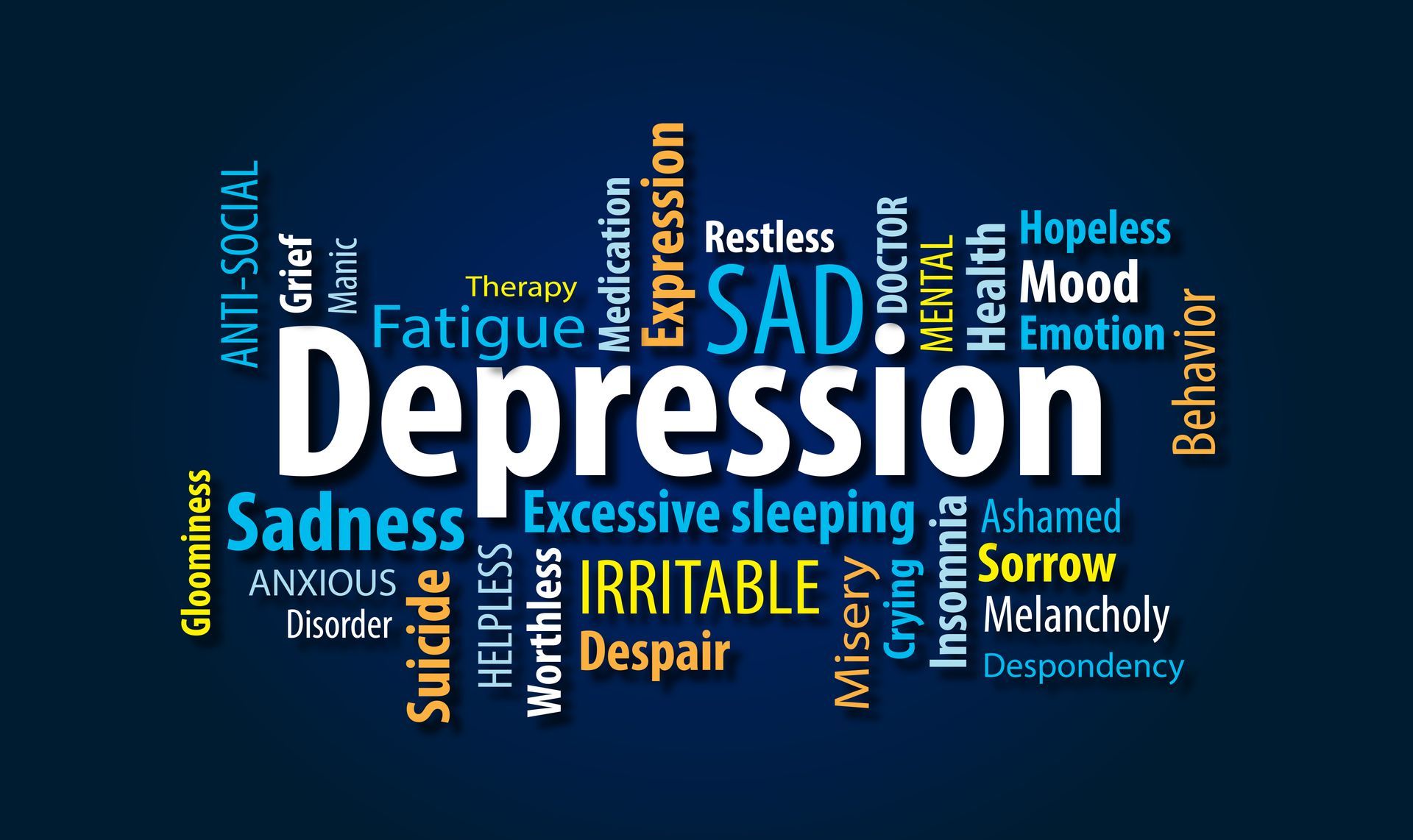
Men often don't recognize that what they're experiencing is depression, anxiety, or another treatable condition. Depression in men looks different than the textbook presentation. Instead of sadness, men often experience irritability, anger, fatigue, or numbness.
A man experiencing these symptoms might think he's just tired, having a bad time at work, or needs to exercise more. He doesn't recognize it as depression requiring professional care.
Minimization
Even when men recognize something is wrong, they minimize it. "It's not that bad." "Other people have it worse." "I should be able to handle this myself."
This minimization delays care-seeking and allows conditions to worsen. By the time a man finally reaches out, he's often in crisis.
Stigma and Fear of Judgment
Men worry about being perceived as weak if they admit to mental health struggles. They fear judgment from family, friends, colleagues, and even healthcare providers.
This fear is rooted in real experiences. Mental health stigma is still widespread, and men often get harsher judgment for emotional struggles than women do.
Distrust of Mental Healthcare
Some men distrust mental health providers, therapy, or psychiatric medication. They see it as "something for people who are really crazy" or as something that won't actually help.
This might stem from lack of familiarity, masculine ideals about handling problems without professional help, or previous negative experiences.
Provider Gender and Approach
Some men specifically request male providers because they feel more comfortable opening up to a man. If male providers aren't available, they might avoid care entirely.
Additionally, many therapy approaches were originally developed with women in mind. A therapy style that works well for women might not resonate with a man, leading him to conclude therapy "doesn't work."
Time and Access Barriers
Practical barriers also exist. Men might feel they're too busy with work and family responsibilities to attend appointments. Telehealth has helped, but some men still prefer to avoid anything requiring them to publicly seek mental health care.
What Depression Actually Looks Like in Men
One reason men don't seek help is that they don't recognize their symptoms as depression.
Instead of the classic "sad and crying" presentation, men with depression often experience:
Irritability and anger: A man might snap at his partner or kids over small things. He might feel rage that seems disproportionate. This irritability can damage relationships and make his life worse, but he doesn't connect it to depression.
Numbness and apathy: Rather than sadness, he feels emotionally flat. Nothing brings joy. He stops caring about hobbies, relationships, or accomplishments. He might describe it as "just going through the motions."
Fatigue and low motivation: He's exhausted despite sleeping. Everything feels like it requires enormous effort. He lacks motivation for things he normally enjoys.
Risky behavior: Instead of withdrawing, some men engage in risky behaviors like reckless driving, excessive drinking, gambling, or other impulsive activities.
Physical symptoms: Back pain, headaches, digestive problems, or other physical complaints without a clear medical cause. The body expresses what the mind won't acknowledge.
Work-focused: Some men throw themselves into work as a distraction. They might become workaholics, which gets praised rather than questioned.
Substance use: Drinking or drug use that's more than usual. Using substances to feel better or numb out.
Because these presentations don't match the stereotypical depression symptoms, men (and sometimes their doctors) don't recognize it as depression. They think it's stress, getting older, relationship problems, or just how life is.
Learn more about the specific signs of depression in men in our detailed blog on this topic.
The Suicide Crisis in Men
The most serious consequence of men not seeking help is the suicide crisis.
While women attempt suicide more frequently, men die by suicide at much higher rates because they tend to use more lethal means. Men are also less likely to seek help after a suicide attempt, making them more likely to try again.
Factors contributing to male suicide:
- Reluctance to seek mental health care
- Substance abuse as a coping mechanism
- Relationship and family conflicts
- Financial stress or job loss
- Social isolation (men have fewer close friendships on average than women)
- Access to lethal means
- Difficulty expressing emotional pain
If you or someone you know is having suicidal thoughts, reach out immediately. Call 988 (Suicide and Crisis Lifeline) or go to your nearest emergency room. These thoughts are treatable, and help is available.
Why Men Actually Do Seek Help (When They Do)
Interestingly, when men finally seek help, they often cite practical, non-emotional reasons:
Health concerns: A man might see his doctor for physical symptoms (chest pain, headaches, insomnia) and through that conversation, mental health comes up.
Relationship ultimatum: Often a partner says, "Get help or I'm leaving." This external pressure sometimes triggers men to seek care.
Work performance: When depression or anxiety starts affecting work and that threatens his identity as a provider, men sometimes act.
Crisis: After a major event, breakdown, or suicide attempt, men seek help.
Permission from others: Sometimes a friend, family member, or public figure they respect sharing about mental health gives men "permission" to seek care too.
Trusted provider: If a man has a healthcare provider he trusts (regardless of gender), he's more likely to open up to them.
Understanding what motivates men to seek help is important for healthcare providers and family members trying to encourage a man to get care.
How to Encourage a Man to Seek Help
If you're concerned about a man in your life, here's what actually works (and what doesn't):
Don't:
- Tell him to "man up" or "toughen up"
- Shame him or call him weak
- Act like it's not a big deal
- Push too hard or be judgmental
- Compare his struggles to others
- Assume you know what he should do
Do:
- Acknowledge that what he's experiencing is real and difficult
- Normalize mental health struggles and seeking help
- Share that mental strength, not weakness, comes from getting help
- Provide specific examples of how his behavior concerns you
- Offer to help him find a provider or go to an appointment
- Be patient and persistent (men often need multiple prompts)
- Share stories of other men who've sought help and benefited
- Focus on practical benefits: "You'll sleep better, work better, feel better"
Frame it Right:
Instead of "You need therapy" try "I've noticed you're struggling. I care about you and want to help you feel better. Let's find someone to talk to."
Instead of "You're depressed" try "You haven't seemed like yourself. There are professionals who specialize in helping with what you're experiencing."
Instead of "You need to talk about your feelings" try "Getting help isn't about sitting around talking about feelings. It's about learning strategies to feel better and function better."
What Changes When Men Get Help
Men who do seek help often report:
Relief: Finally addressing what's been weighing on them brings relief, even before significant improvement.
Better relationships: When men get help for depression or anxiety, their relationships improve. They're less irritable, more present, and more emotionally available.
Improved work performance: Mental health treatment improves focus, motivation, and work performance.
Increased enjoyment: They start enjoying things again. Hobbies feel engaging. Relationships feel meaningful.
Better physical health: Sleep improves, physical symptoms decrease, and overall health improves.
Sense of control: They feel like they have tools and strategies to manage challenges rather than just white-knuckling through.
Strength, not weakness: Most men realize that seeking help actually takes more strength than suffering alone.
How Harborside Psychiatry Approaches Men's Mental Health
At Harborside Psychiatry, we understand the unique barriers men face. Our approach is tailored to work with how men think and what they respond to:
Practical, solution-focused: We focus on what actually helps rather than endless talk. Men often prefer a direct, solution-oriented approach.
Integrated treatment: Our psychiatric mental health nurse practitioners provide medication management (when appropriate) and therapy integrated together. This is efficient and practical.
Evidence-based: We explain the science behind treatment. When men understand how medication or therapy works neurologically, they're more likely to engage.
Holistic approach: We address medication, therapy, exercise, sleep, nutrition, and stress management. This appeals to the practical problem-solving nature many men have.
Telehealth convenience: All appointments are via secure telehealth, so men don't have to take time off work or feel self-conscious about going to a mental health clinic.
Non-judgmental: We meet men where they are without judgment or pressure to be a certain way emotionally.
We treat men ages 6 to 65 for depression, anxiety, ADHD, bipolar disorder, and other conditions. Learn more about our comprehensive approach to mental health care and our full range of services.
Breaking Through the Barriers
The barriers keeping men from seeking mental health care are real and significant. But they're not insurmountable. Here's what needs to happen:
Cultural shift: We need to redefine strength to include the courage to ask for help, to be vulnerable, and to prioritize mental health.
Visibility: When men see other men seeking mental health care and benefiting, it normalizes it for everyone.
Accessible care: Telehealth, flexible scheduling, and male providers help reduce practical barriers.
Destigmatization: Continued conversation about men's mental health helps break stigma.
Education: Men need to understand that what they're experiencing might be depression or anxiety, and that these conditions are treatable.
Support from loved ones: Family members and friends gently encouraging men to seek help makes a real difference.
You're Not Alone
If you're a man reading this and recognizing yourself, know this: you're not alone. Millions of men struggle with mental health. Depression, anxiety, and other conditions are common. And they're treatable.
Asking for help isn't weakness. It's strength. It's self-respect. It's choosing to feel better instead of continuing to suffer.
FAQs About Men's Mental Health
Is depression different in men than women?
Yes. Men and women experience depression differently. Men are more likely to experience irritability, anger, numbness, and apathy, while women more often experience sadness and crying. This difference is why men's depression often goes undiagnosed.
Why are men's suicide rates higher than women's?
While women attempt suicide more often, men are more likely to die by suicide because they typically use more lethal means. Men also seek help less often after suicidal thoughts, making them at higher risk for repeat attempts.
Should men see a male therapist?
Some men prefer male providers and do feel more comfortable with them. However, effective therapy can happen with providers of any gender. What matters more is finding a provider who understands men's unique perspectives and barriers.
Can medication help men's mental health?
Yes. Medications like SSRIs for depression and anxiety, and stimulants for ADHD, are effective for men. Many men respond very well to medication combined with therapy.
What if I've been struggling for years and never sought help?
It's never too late. Mental health treatment helps regardless of how long you've been struggling. Many men report that getting help later in life is life-changing.
How do I know if I need professional help?
If you're experiencing persistent changes in mood, behavior, sleep, energy, interest in activities, or relationships, it's worth talking to a professional. You don't need to have severe symptoms to seek help.
Is therapy just talking about feelings?
No. Therapy, especially for men, is often practical and action-oriented. You learn strategies to manage symptoms, improve functioning, and handle life challenges. Many men find it very practical and useful.
FAQs About Harborside Psychiatry
Do you have male providers?
Our psychiatric mental health nurse practitioners include providers of various backgrounds. We can work with you to match you with a provider you're comfortable with.
What conditions do you treat in men?
We treat depression, anxiety, ADHD, bipolar disorder, trauma, OCD, insomnia, and other mental health conditions. We have extensive experience working with men and understand their unique needs and barriers.
Is treatment confidential?
Yes. All mental health treatment is confidential and protected by HIPAA. Your privacy is guaranteed.
How much does treatment cost?
This depends on your insurance. We work with many insurance providers. Visit our insurance page or contact us to verify your coverage.
Can I do treatment via telehealth?
Yes. All our services are provided via secure telehealth, so you can get care from anywhere in Oregon without driving to an office.
How do I get started?
Book an appointment online, call or text (541) 714-5610, or email info@harborsidepsych.com. You don't need to have everything figured out before reaching out.
What if I'm not sure if I need help?
That's what the first appointment is for. We can help you figure out what's going on and whether professional treatment would help.
Take the First Step
If you've been struggling and haven't sought help, today is a good day to change that. Mental health treatment works. Men benefit enormously from care. And asking for help is one of the strongest things you can do.
You don't have to keep white-knuckling through life. You don't have to suffer alone. You don't have to pretend everything is fine when it's not.
Seeking help isn't weakness. It's wisdom. It's strength. It's self-respect.
Ready to take the first step? Schedule an appointment with Harborside Psychiatry or call us at (541) 714-5610. We understand what you're going through. We can help. And we're here to support you every step of the way.
Visit Harborside Psychiatry to learn more. Your mental health matters. You deserve to feel better.
Disclaimer: The information provided on this blog is for general informational purposes only and is not intended as, and should not be considered, medical advice. All information, content, and material available on this blog are for general informational purposes only. Readers are advised to consult with a qualified healthcare professional for medical advice, diagnosis, or treatment. The author and the blog disclaim any liability for the decisions you make based on the information provided. Always seek the advice of your physician or other qualified health provider with any questions you may have regarding a medical condition.