Your Complete Guide to Mental Health Services at Harborside Psychiatry
Key Points:
- Mindfulness is simply paying attention to the present moment without judgment
- You don't need special equipment, apps, or hours of time to practice mindfulness
- Even 60 seconds of mindful breathing can reduce stress and anxiety symptoms
- Mindfulness techniques help manage depression, ADHD, trauma, and other mental health conditions
- Start small and build gradually for lasting results
Understanding Your Mental Health Treatment Options
Choosing the right mental health care can feel overwhelming. What kind of provider do you need? What treatments are available? How do you know if you're getting the right diagnosis?
At Harborside Psychiatry, we believe that quality mental health care should be accessible, comprehensive, and tailored to your unique needs. Whether you're struggling with anxiety that's affecting your daily life, managing depression that won't lift, or trying to understand symptoms that don't quite fit into a neat category, we're here to help.
This guide walks you through the mental health services we offer, what each one involves, and how to know which might be right for you. All of our services are provided through convenient, confidential telehealth appointments, so you can get the care you need from anywhere in Oregon.
What Makes Harborside Psychiatry Different
Before we dive into specific services, here's what sets our approach apart:
Telehealth-first care. We're designed for the way people actually live. No driving to appointments, no waiting rooms, no juggling schedules. Meet with your provider from home, your office, or wherever you have privacy.
Comprehensive assessment. We don't rush to diagnoses or one-size-fits-all treatments. We take time to understand your full picture through thorough evaluation and, when needed, diagnostic testing.
Whole-person approach. Mental health doesn't exist in a vacuum. We consider your lifestyle, relationships, physical health, and personal goals when creating your treatment plan. Our integrative approach combines medication management with lifestyle modifications and evidence-based supplements to support your overall wellbeing.
Evidence-based treatment. Everything we do is grounded in research and proven clinical approaches. No gimmicks, no pseudoscience, just what actually works.
Ongoing support. Mental health treatment isn't a one-and-done thing. We're with you for the long haul, adjusting your care as your needs change.
Now, let's look at the specific conditions we treat and the services we provide.
Mental Health Conditions We Treat
Anxiety Disorders
Anxiety is one of the most common mental health conditions, but that doesn't make it any less difficult to live with. If you're dealing with constant worry, panic attacks, physical tension, or avoidance of situations that trigger your anxiety, treatment can make a real difference.
What anxiety treatment includes:
- Comprehensive evaluation to identify the specific type of anxiety (generalized anxiety, social anxiety, panic disorder, etc.)
- Medication management with anti-anxiety medications or SSRIs when appropriate
- Therapy techniques including cognitive behavioral therapy (CBT) and exposure-based approaches
- Coping strategies you can use in daily life to manage symptoms
- Regular check-ins to monitor progress and adjust treatment
Common anxiety symptoms we treat:
- Excessive worry that's hard to control
- Physical symptoms like rapid heartbeat, sweating, or shaking
- Panic attacks and fear of having more panic attacks
- Avoidance of situations that trigger anxiety
- Sleep problems related to racing thoughts
- Difficulty concentrating due to anxious thinking
Whether you're dealing with generalized anxiety that colors everything you do or social anxiety that makes interactions feel terrifying, we can help you find relief.
Depression
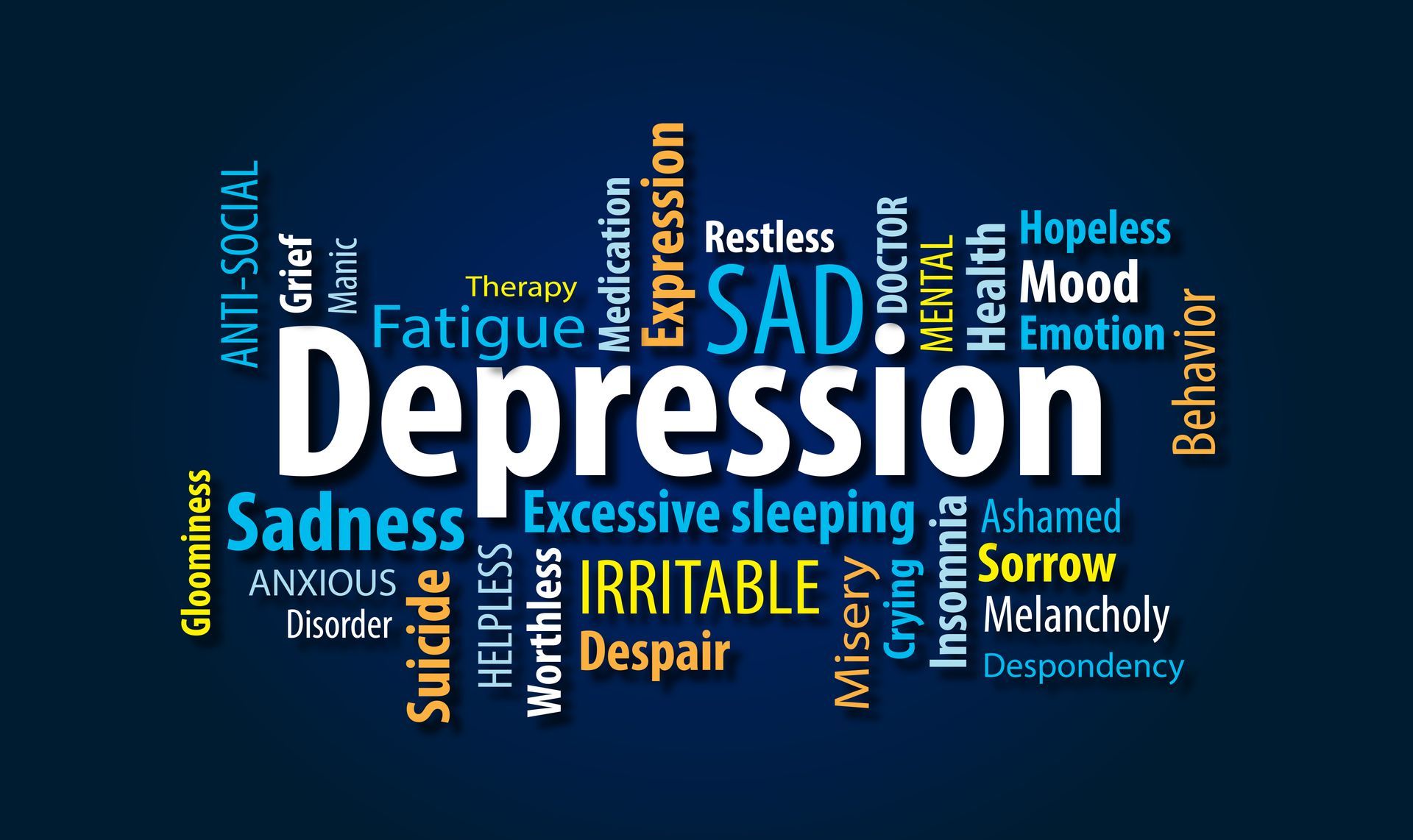
Depression is more than just feeling sad. It's a persistent low mood that affects your energy, motivation, sleep, appetite, and ability to enjoy things that used to matter to you. Depression can show up differently in different people, but it's always treatable.
What depression treatment includes:
- Thorough assessment to understand your symptoms, triggers, and history
- Medication options including SSRIs, SNRIs, or other antidepressants
- Therapy approaches that address thought patterns and behaviors
- Support for related issues like sleep problems, relationship difficulties, or work challenges
- Monitoring for medication effectiveness and side effects
Common depression symptoms we address:
- Persistent sad, empty, or hopeless feelings
- Loss of interest in activities you used to enjoy
- Fatigue and low energy even after rest
- Changes in sleep (too much or too little)
- Difficulty concentrating or making decisions
- Changes in appetite or weight
- Thoughts of death or suicide
Our approach to treating depression is personalized to your specific experience. Depression isn't one thing, and your treatment shouldn't be either.
ADHD (Attention-Deficit/Hyperactivity Disorder)
ADHD in adults often looks different than it does in children. You might struggle with focus, organization, time management, impulsivity, or completing tasks. Many adults don't realize they have ADHD until they hit a point where their coping strategies stop working.
What ADHD treatment includes:
- Comprehensive diagnostic evaluation (many conditions can mimic ADHD)
- Medication management with stimulants or non-stimulant options
- Strategies for managing symptoms in work and personal life
- Education about how ADHD affects you specifically
- Ongoing monitoring and adjustment of treatment
Common ADHD symptoms in adults:
- Difficulty sustaining attention on tasks
- Trouble with organization and time management
- Procrastination and difficulty starting tasks
- Restlessness or difficulty sitting still
- Impulsive decisions or interrupting others
- Forgetfulness in daily activities
- Difficulty following through on commitments
ADHD is highly treatable with the right combination of medication and strategies. Learn more about our ADHD services and how we can help you manage symptoms effectively.
Bipolar Disorder
Bipolar disorder involves significant mood swings between depressive episodes and manic or hypomanic episodes. These mood changes can disrupt your life, relationships, and work. Proper diagnosis and treatment are essential for managing bipolar disorder.
What bipolar disorder treatment includes:
- Careful diagnostic assessment (bipolar is often misdiagnosed)
- Mood stabilizing medications
- Monitoring for mood episodes and early warning signs
- Education about recognizing and managing mood swings
- Support for maintaining stability long-term
Common bipolar disorder symptoms:
- Periods of elevated, expansive, or irritable mood
- Decreased need for sleep during manic episodes
- Increased energy and activity
- Racing thoughts and rapid speech
- Impulsive or risky behaviors
- Depressive episodes with low mood and energy
- Difficulty functioning during mood episodes
Our bipolar disorder treatment focuses on stabilizing mood, preventing episodes, and helping you live a full, engaged life.
Trauma and PTSD
Trauma doesn't just mean experiencing a single dramatic event. It can result from ongoing difficult experiences, childhood adversity, or situations where you felt powerless or unsafe. Trauma can affect how you see yourself, relate to others, and move through the world.
What trauma treatment includes:
- Trauma-informed assessment and care
- Medication for symptoms like anxiety, depression, or sleep problems
- Trauma-focused therapy approaches
- Help processing traumatic experiences safely
- Strategies for managing triggers and flashbacks
Common trauma-related symptoms:
- Intrusive memories or flashbacks
- Avoiding reminders of traumatic events
- Hypervigilance or feeling constantly on edge
- Difficulty trusting others
- Negative beliefs about yourself or the world
- Emotional numbness or disconnection
- Sleep disturbances and nightmares
We provide trauma-informed care that recognizes how past experiences affect present functioning and helps you heal at your own pace.
OCD (Obsessive-Compulsive Disorder)
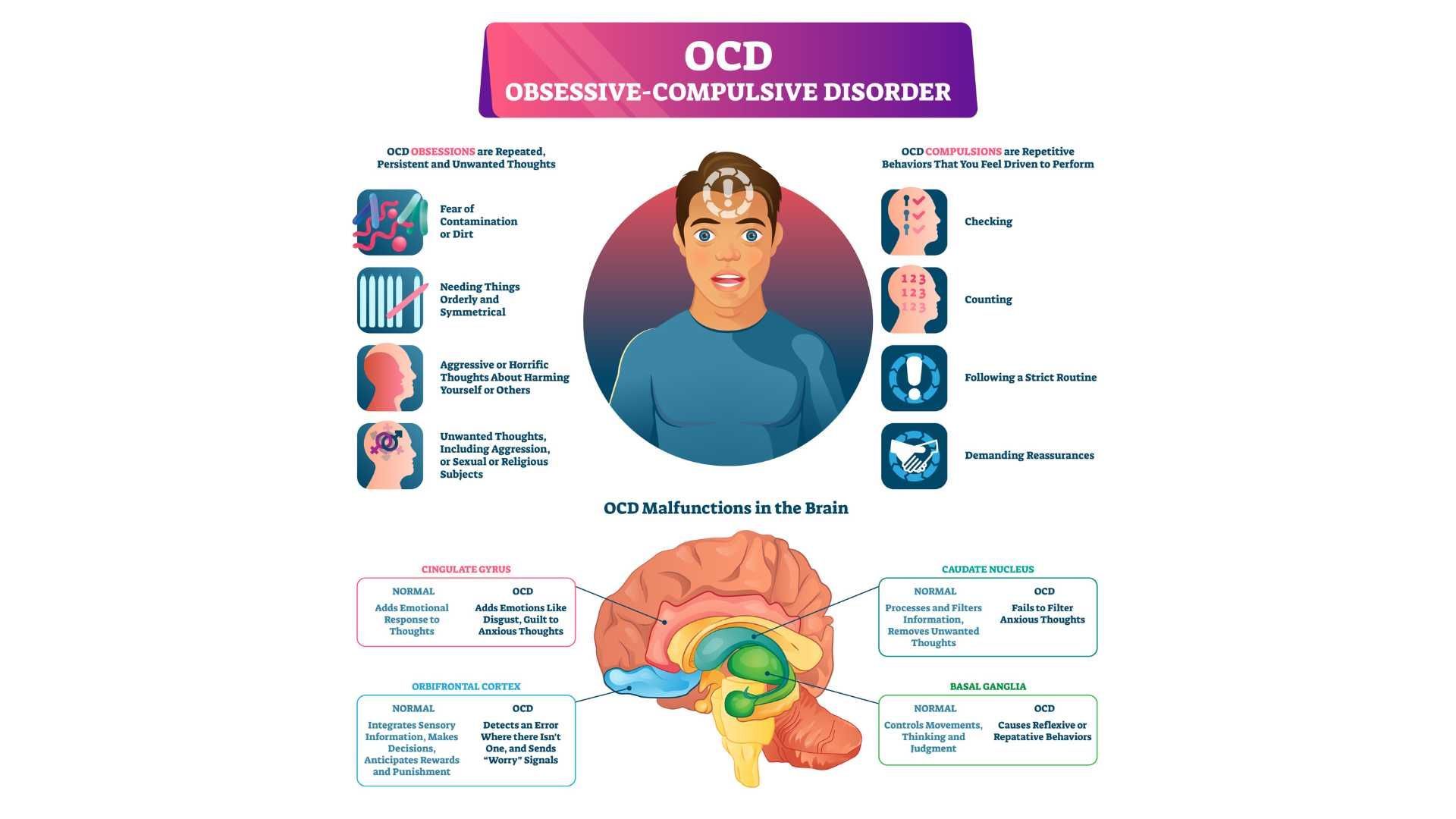
OCD involves intrusive, unwanted thoughts (obsessions) and repetitive behaviors or mental acts (compulsions) that you feel driven to perform. OCD can be incredibly distressing and time-consuming, but it responds well to proper treatment.
What OCD treatment includes:
- Careful assessment to distinguish OCD from anxiety or other conditions
- Medication, typically SSRIs at higher doses than used for depression
- Education about how OCD works
- Strategies to resist compulsions and manage obsessions
- Support for reducing the impact of OCD on your life
Common OCD symptoms:
- Intrusive, disturbing thoughts you can't control
- Excessive checking, cleaning, or ordering behaviors
- Mental rituals like counting or repeating phrases
- Significant time spent on obsessions or compulsions
- Distress when unable to perform compulsions
- Interference with daily life and relationships
Our OCD treatment helps you regain control from obsessive thoughts and compulsive behaviors.
Insomnia and Sleep Problems
Sleep problems often accompany other mental health conditions, but sometimes insomnia is the primary issue. Whether you can't fall asleep, can't stay asleep, or wake too early, chronic sleep problems affect every aspect of your life.
What insomnia treatment includes:
- Assessment of sleep patterns and contributing factors
- Medication options for short-term or long-term use
- Sleep hygiene education and behavioral strategies
- Treatment of underlying conditions affecting sleep
- Cognitive techniques for managing sleep anxiety
Common insomnia symptoms:
- Difficulty falling asleep despite being tired
- Waking frequently during the night
- Waking too early and being unable to return to sleep
- Feeling unrefreshed after sleep
- Daytime fatigue and irritability
- Anxiety about sleep
Good sleep is foundational to mental health. Our insomnia treatment addresses both the symptoms and underlying causes of sleep problems.
ODD (Oppositional Defiant Disorder)
While ODD is often diagnosed in children and adolescents, we also work with families to address these challenging behaviors. ODD involves a pattern of angry, defiant, and vindictive behavior that goes beyond typical developmental stages.
What ODD treatment includes:
- Comprehensive behavioral assessment
- Family-focused interventions
- Medication when appropriate for co-occurring conditions
- Strategies for parents and caregivers
- Support for improving family dynamics
Common ODD symptoms:
- Frequent temper tantrums or angry outbursts
- Arguing with authority figures
- Deliberately annoying others
- Refusing to comply with rules
- Blaming others for mistakes
- Being touchy or easily annoyed
Learn more about our approach to treating ODD and supporting families.
Life Transitions
Not all mental health struggles come from diagnosable conditions. Sometimes you're dealing with a major life change that's overwhelming your usual coping abilities. Divorce, career changes, moves, grief, empty nest, retirement, or other transitions can all benefit from professional support.
What life transitions support includes:
- Assessment of your current challenges and resources
- Short-term therapy to process changes
- Strategies for navigating uncertainty
- Medication if symptoms like anxiety or depression emerge
- Support for building resilience
Common life transition challenges:
- Feeling overwhelmed by change
- Grief and loss related to transitions
- Identity questions during major shifts
- Relationship changes
- Difficulty making decisions
- Stress that's affecting physical health
Our life transitions support helps you navigate change with confidence and develop skills that serve you long-term.
Comprehensive Diagnostic Testing
Getting the right diagnosis is crucial for getting the right treatment. Many mental health conditions share symptoms, and it's not always clear what's driving your struggles. That's where comprehensive diagnostic testing comes in.
What diagnostic testing includes:
- In-depth clinical interviews
- Standardized assessment tools and questionnaires
- Evaluation for multiple possible diagnoses
- Cognitive and psychological testing when needed
- Thorough analysis and interpretation of results
- Clear explanation of findings and treatment recommendations
When diagnostic testing is helpful:
- You've tried treatment that hasn't worked
- Your symptoms don't fit a clear pattern
- You have multiple symptoms that could indicate different conditions
- You want certainty about your diagnosis before starting medication
- Previous providers have given conflicting diagnoses
- You're experiencing cognitive difficulties alongside mood symptoms
Our comprehensive diagnostic testing gives you clarity about what's going on and confidence in your treatment plan.
How Our Treatment Process Works
Wondering what to expect when you start care at Harborside Psychiatry? Here's the typical process:
Initial Consultation
Your first appointment is all about understanding your story. We'll discuss:
- What brought you to seek help now
- Your current symptoms and how they're affecting you
- Your mental health history and past treatments
- Your medical history and current medications
- Your family mental health history
- Your goals for treatment
This isn't a quick checklist. We take time to really understand your experience.
Diagnosis and Treatment Planning
Based on your initial consultation (and diagnostic testing if needed), we'll:
- Provide a clear diagnosis or working diagnosis
- Explain what your diagnosis means in practical terms
- Discuss treatment options, including medication and therapy approaches
- Answer your questions about proposed treatments
- Create a personalized treatment plan together
You're an active participant in deciding your treatment. We explain options clearly so you can make informed decisions.
Ongoing Treatment
Mental health treatment is a process, not a one-time fix. Ongoing care includes:
- Regular medication management appointments
- Monitoring for symptom changes and side effects
- Adjusting medications or dosages as needed
- Learning coping strategies and skills
- Addressing new challenges as they arise
- Celebrating progress and successes
The frequency of appointments depends on your needs. Some people need weekly check-ins initially, while others do well with monthly appointments once they're stable.
Long-Term Support
We're here for you as long as you need us. Mental health isn't something you "cure" and forget about. Many people continue care long-term because:
- Chronic conditions like bipolar disorder or chronic depression require ongoing management
- Medication often works best when consistently monitored
- Life brings new stressors that benefit from professional support
- Maintenance care helps prevent relapse
You're not locked into treatment forever, but you have support available whenever you need it.
Medication Management: What to Expect
Many people have questions or concerns about psychiatric medication. Here's what you should know about medication management at Harborside Psychiatry:
We start with education. Before prescribing anything, we explain what the medication does, how it works, potential side effects, and what to expect. You'll never feel pressured to take medication you're not comfortable with.
We start low and go slow. Unless there's a clinical reason to do otherwise, we typically start at lower doses and increase gradually. This minimizes side effects and helps us find the right dose for you.
We monitor closely. Especially when starting new medications, we check in regularly to see how you're doing, address any side effects, and make adjustments as needed.
We consider your preferences. If you're worried about weight gain, sexual side effects, or other specific concerns, we factor that into which medications we recommend.
We're honest about limitations. Medication isn't magic. It typically reduces symptoms by 50-70% when it works well. We combine medication with other strategies for the best results.
Common medications we prescribe include:
- SSRIs and SNRIs for depression and anxiety
- Stimulants and non-stimulants for ADHD
- Mood stabilizers for bipolar disorder
- Atypical antipsychotics for various conditions
- Sleep medications for insomnia
- Anti-anxiety medications when appropriate
The Benefits of Telehealth Services
All of our services are provided through secure telehealth appointments. Here's why that matters:
Accessibility. You can access care from anywhere in Oregon. No need to live near a major city or spend hours driving to appointments.
Convenience. Meet with your provider from home, your office, your car, or wherever you have privacy. Schedule appointments that actually fit your life.
Consistency. Traveling? On vacation? You can still have your appointment. This continuity of care leads to better outcomes.
Comfort. Many people feel more relaxed talking about difficult topics from their own space rather than in a clinical office.
Privacy. No running into someone you know in the waiting room. No explaining where you're going during work hours.
Same quality care. Research shows telehealth is just as effective as in-person care for most mental health conditions.
Insurance and Payment Options
We work with many insurance providers to make mental health care accessible. Here's what you need to know:
Insurance accepted. We're in-network with multiple insurance plans. Visit our insurance page or contact us to verify your specific coverage.
Verification process. We'll verify your insurance benefits before your first appointment so you know what to expect for costs.
Out-of-pocket options. If you don't have insurance or prefer not to use it, we offer self-pay options.
Transparent pricing. We'll always be upfront about costs. No surprise bills or hidden fees.
Don't let uncertainty about coverage stop you from reaching out. We'll help you figure out the financial details.
Who We Serve
Harborside Psychiatry provides care for:
Children and adolescents. We work with kids as young as 6 years old, providing age-appropriate assessment and treatment for ADHD, anxiety, behavioral concerns, and other mental health challenges.
Adults of all ages. From young adults navigating early career and relationship challenges to older adults dealing with life transitions and age-related concerns.
People with complex mental health needs. If you have multiple diagnoses or haven't found success with previous treatments, we're equipped to help.
Busy professionals. Our telehealth model makes it possible to fit mental health care into demanding schedules.
Anyone in Oregon. Our telehealth services mean location isn't a barrier to care.
People seeking accurate diagnosis. If you're not sure what's going on or have been given conflicting information, our diagnostic testing can provide clarity.
Getting Started Is Simple
Ready to begin? Here's how to start care at Harborside Psychiatry:
Step 1: Schedule your first appointment. You can book online, call or text (541) 714-5610, or email info@harborsidepsych.com. Choose a time that works for your schedule.
Step 2: Complete intake paperwork. You'll receive forms to fill out before your first appointment. This helps us make the most of your time together.
Step 3: Attend your initial consultation. Show up via telehealth at your scheduled time. Come prepared to talk openly about what you're experiencing.
Step 4: Begin treatment. Together, we'll create a treatment plan and start working toward your goals.
That's it. No complicated processes, no runaround, just straightforward access to quality mental health care.
What Makes Effective Mental Health Treatment
Whether you're dealing with anxiety, depression, ADHD, or any other condition, effective treatment has some common elements:
Accurate diagnosis. You can't treat what you don't understand. Taking time to get the right diagnosis sets everything else up for success.
Evidence-based approaches. Treatments should be grounded in research and proven clinical practice, not trends or untested theories.
Personalization. What works for one person might not work for another. Treatment should fit your specific symptoms, preferences, and life circumstances.
Consistency. Mental health treatment works best when it's regular and ongoing, not sporadic or crisis-driven.
Collaboration. You're the expert on your experience. Providers are the experts on treatment options. The best care happens when we work together.
Patience. Many psychiatric medications take 4-8 weeks to show full effects. Therapy takes time to create lasting change. Quick fixes are rare in mental health.
Flexibility. Treatment plans should evolve as you do. What you need at the beginning might be different from what you need six months later.
FAQs About Mental Health Services
How do I know which service I need?
You don't have to figure this out alone. During your initial consultation, we'll assess your symptoms and recommend the appropriate services. If you're unsure, just describe what you're experiencing and we'll take it from there.
Can I get therapy and medication management at Harborside Psychiatry?
Yes. We provide both medication management and therapeutic support. Many of our patients benefit from a combination of both.
How long will I need treatment?
This varies widely depending on your condition and goals. Some people need short-term support for a specific issue, while others benefit from ongoing care for chronic conditions. We'll discuss this as part of your treatment planning.
What if I've tried treatment before and it didn't work?
Previous treatment failures don't mean you can't get better. Often it means you didn't have the right diagnosis, the right medication, or the right approach. Our comprehensive assessment can identify what was missing.
Do you prescribe controlled substances like benzodiazepines or stimulants?
Yes, when clinically appropriate. We prescribe controlled substances carefully and with proper monitoring. For anxiety, we typically try non-addictive options first but will use benzodiazepines when needed. For ADHD, stimulants are often first-line treatment.
How quickly can I get an appointment?
Appointment availability varies, but we strive to see new patients as quickly as possible. Contact us to find out current wait times.
What if I need help between appointments?
We provide guidance on when to reach out between appointments and have processes for urgent concerns. For mental health emergencies, call 988 (Suicide and Crisis Lifeline) or go to your nearest emergency room.
FAQs About Harborside Psychiatry
Where is Harborside Psychiatry located?
We're located at 213 E Main Street in Rogue River, Oregon 97537. However, we provide exclusively telehealth services, so you can receive care from anywhere in Oregon.
What's your approach to treatment?
We take a comprehensive, evidence-based approach that considers the whole person. We combine medication management, therapy, and practical strategies tailored to your specific needs. Learn more about our treatment approach.
How do I contact Harborside Psychiatry?
You can call or text (541) 714-5610, email info@harborsidepsych.com, or book online.
Do you accept my insurance?
We work with many insurance providers. Visit our insurance page or contact us to verify your specific coverage.
Are telehealth appointments as good as in-person visits?
Research consistently shows that telehealth is just as effective as in-person care for most mental health conditions. You receive the same quality treatment with added convenience.
What if I need to cancel or reschedule?
Life happens. Contact us as soon as possible if you need to change your appointment. We'll work with you to find a new time that works.
You Deserve Quality Mental Health Care
Mental health treatment shouldn't be complicated, inaccessible, or one-size-fits-all. At Harborside Psychiatry, we've built our practice around making quality care available to people throughout Oregon, delivered in a way that actually fits into real life.
Whether you're dealing with anxiety that's affecting your work, depression that won't lift, ADHD that's making everything harder than it should be, or any other mental health challenge, help is available. You don't have to keep struggling alone.
The services we provide are grounded in research, personalized to your needs, and delivered with compassion and respect. We're here to help you feel better, function better, and live the life you want.
Ready to take the next step? Schedule an appointment or call us at (541) 714-5610. We'll help you figure out which services are right for you and create a plan to get you feeling better.
Visit Harborside Psychiatry to learn more about our services, approach, and how we can support your mental health journey. Your better days are waiting.
Disclaimer: The information provided on this blog is for general informational purposes only and is not intended as, and should not be considered, medical advice. All information, content, and material available on this blog are for general informational purposes only. Readers are advised to consult with a qualified healthcare professional for medical advice, diagnosis, or treatment. The author and the blog disclaim any liability for the decisions you make based on the information provided. Always seek the advice of your physician or other qualified health provider with any questions you may have regarding a medical condition.