Understanding Depression: When Sadness Becomes a Disorder
Key Points:
- Depression is more than sadness; it's a medical condition involving changes in brain chemistry
- Everyone feels sad sometimes, but clinical depression involves persistent low mood, loss of interest, and other symptoms lasting weeks or longer
- Depression affects how you think, feel, behave, and physical health
- Depression is highly treatable with medication, therapy, lifestyle changes, and proper support
- Early recognition and treatment prevent worsening symptoms and improve outcomes
The Difference Between Sadness and Depression
You've had a bad day. Your favorite team lost. Your partner said something hurtful. You didn't get the job you wanted.
You feel sad. Down. Disappointed. You might spend the evening in bed feeling low.
But tomorrow comes, and the sadness gradually lifts. You feel better. You go about your day.
This is normal sadness. It's an appropriate emotional response to difficult circumstances. It passes.
Clinical depression is different. It's not sadness you can shake off. It's a persistent, pervasive low mood that doesn't respond to circumstance changes. It's a medical condition involving brain chemistry, not just emotions.
At Harborside Psychiatry, this distinction matters enormously. Many people minimize their depression thinking "everyone feels sad sometimes" or "I should just be able to handle this." They don't realize they're experiencing clinical depression that requires professional treatment.
Let's clarify what depression actually is, how it differs from normal sadness, and when you need to seek help.
What is Clinical Depression?
Depression (also called Major Depressive Disorder or MDD) is a mental health condition characterized by persistent depressed mood and loss of interest or pleasure in activities, along with other symptoms that last for at least two weeks.
The key distinction: this isn't situational sadness in response to life circumstances. This is a shift in baseline mood and functioning that persists regardless of what's happening in your life.
Core Symptoms of Depression
For someone to be diagnosed with depression, they need to experience at least five of the following symptoms for at least two weeks:
Persistent low mood: Feeling sad, empty, or hopeless most of the day, nearly every day. For some people, especially men, this manifests as irritability rather than obvious sadness. Learn more about how depression looks different in men.
Loss of interest or pleasure: Anhedonia is the clinical term. Activities that used to bring joy feel pointless. Hobbies, socializing, work, sex, food—nothing feels interesting or enjoyable.
Significant appetite or weight changes: Eating much more or much less than usual. Weight gain or loss that's not intentional.
Sleep disturbance: Sleeping much more or much less than usual. Insomnia with early morning waking, or sleeping excessively. Learn about anxiety and insomnia or insomnia treatment.
Fatigue or loss of energy: Feeling exhausted despite adequate sleep. Everything requires enormous effort. Getting out of bed feels overwhelming.
Feelings of worthlessness or excessive guilt: Self-critical thoughts. Blaming yourself for things that aren't your fault. Believing you're a burden or fundamentally flawed.
Difficulty concentrating or making decisions: Racing thoughts or slowness in thinking. Difficulty focusing on tasks. Inability to make even minor decisions.
Psychomotor changes: Physical agitation or slowing down. Noticeable restlessness or lethargy observable to others.
Recurrent thoughts of death or suicide: Thinking life isn't worth living, wishing you were dead, or having specific plans to harm yourself. This requires immediate professional attention.
For diagnosis, at least one of the first two symptoms (depressed mood or loss of interest) must be present.
Types of Depression
Depression presents in different ways for different people:
Major Depressive Disorder (MDD)
The most common type. Episodes can last weeks to months or longer. Between episodes, people might feel completely fine, or they might experience persistent low-grade symptoms.
Persistent Depressive Disorder (Dysthymia)
Chronic depression lasting at least two years. Symptoms are generally less severe than MDD but more chronic. Someone with dysthymia has been depressed for so long they might think it's just their personality.
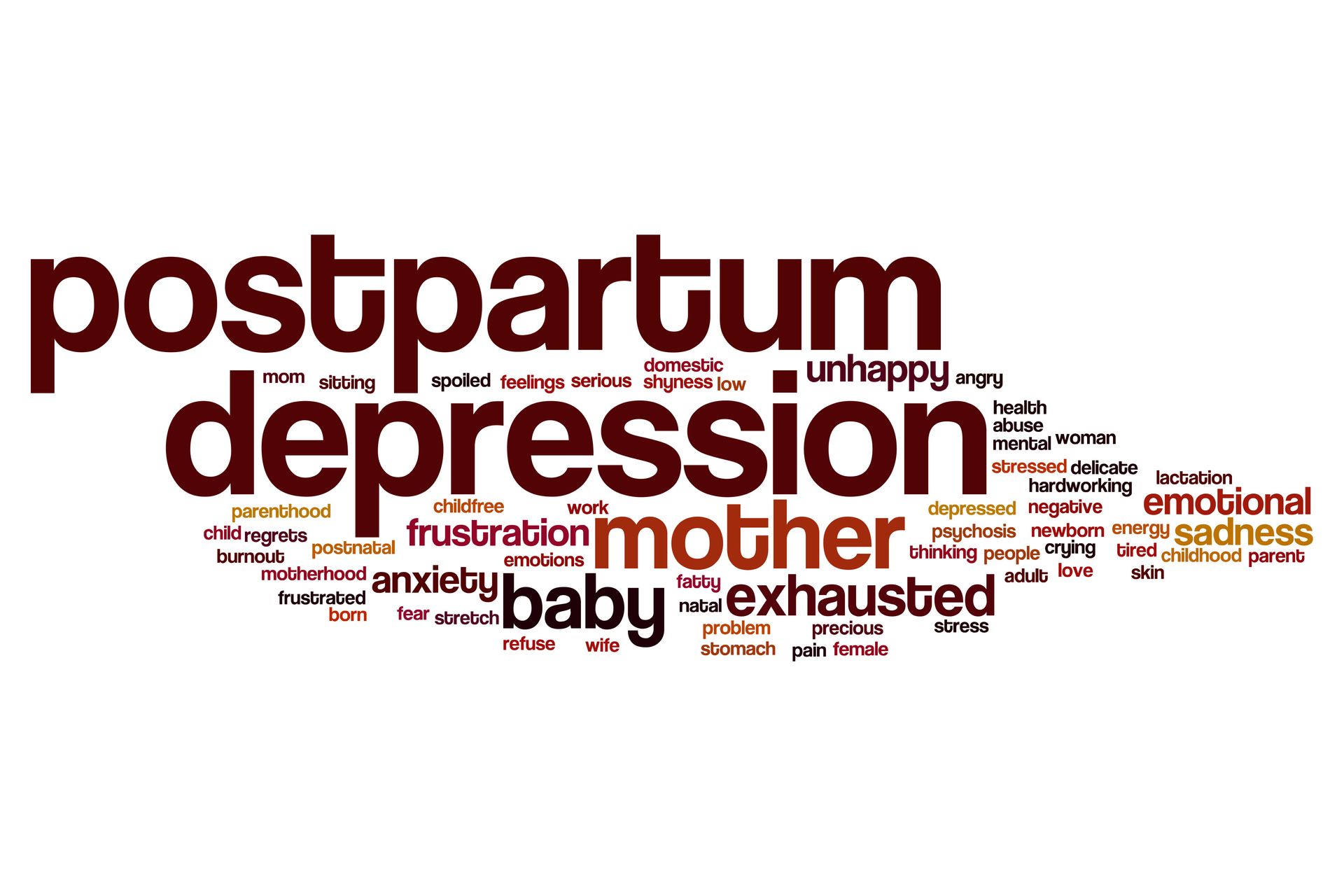
Postpartum Depression
Depression occurring within weeks or months after childbirth. Affects up to 1 in 7 women. Can also affect partners. More severe than "baby blues" and requires professional treatment.
Seasonal Affective Disorder (SAD)
Depression occurring during winter months when daylight decreases. Resolves in spring and summer.
Treatment-Resistant Depression
Depression that doesn't respond to standard medications. Requires more intensive or alternative treatments.
Why Depression Happens
Depression isn't caused by weakness, poor character, or personal failure. It results from a combination of factors:
Neurochemistry
Depression involves imbalances in neurotransmitters—chemicals in the brain that regulate mood, energy, and motivation. Key neurotransmitters include serotonin, dopamine, and norepinephrine.
When these are out of balance, depression results. This is biological, not a character flaw. Just like diabetes results from insulin imbalance, depression results from neurotransmitter imbalance.
Genetics
If close relatives have depression, your risk is higher. Depression tends to run in families, suggesting genetic factors play a role. However, genetics isn't destiny. Many people with family history never experience depression, and many without family history do.
Life Circumstances
Stressful life events can trigger depression in vulnerable people:
- Loss or grief (death of loved one, divorce, job loss)
- Trauma or abuse
- Major life changes (retirement, relocation, health diagnosis)
- Chronic stress
- Relationship problems
Medical Conditions
Certain health conditions increase depression risk:
- Thyroid disorders
- Chronic pain
- Heart disease
- Diabetes
- Neurological conditions
- Autoimmune disorders
Medications
Some medications have depression as a side effect. Talk to your doctor if depression started after starting a new medication.
Substance Use
Alcohol and drug use can trigger or worsen depression. Some people self-medicate with substances to manage depression symptoms, which usually makes things worse.
Lack of Social Connection
Isolation and loneliness increase depression risk. Social support protects against depression.
How Depression Affects Your Life
Depression isn't just about feeling sad. It affects multiple areas of functioning:
Work and Productivity
Difficulty concentrating, lack of motivation, and fatigue make work extremely difficult. You might miss work, miss deadlines, or perform below your capability. Some people lose jobs due to untreated depression.
Relationships
Depression affects relationships significantly. You might withdraw from loved ones. Irritability and emotional numbness damage partnerships. Sexual dysfunction strains intimate relationships.
Physical Health
Depression has physical consequences:
- Weakened immune system (more frequent infections)
- Inflammation (contributing to various diseases)
- Heart disease (depression increases risk)
- Diabetes complications
- Chronic pain
- Poor wound healing
- Faster aging at cellular level
Daily Functioning
Basic tasks become overwhelming. Showering, eating, laundry, household management feel impossible. Some people can barely get out of bed.
Sleep
Sleep disturbance worsens depression, creating a vicious cycle. Poor sleep increases depressive symptoms, which worsen sleep.
Substance Use
Many people self-medicate depression with alcohol or drugs, which leads to addiction and compounds problems.
Suicide Risk
The most serious consequence. Depression increases suicide risk significantly. This is a medical emergency.
When to Recognize You Need Help
Depression is treatable, but only if you seek help. Recognize signs that professional care is needed:
Symptoms lasting more than two weeks: Normal sadness typically lasts days or a few weeks. If low mood persists beyond two weeks, especially accompanied by other depression symptoms, seek professional evaluation.
Symptoms interfering with daily functioning: If depression is affecting your ability to work, maintain relationships, take care of yourself, or do things that matter to you, it's time to get help.
Worsening symptoms: If symptoms are getting worse despite your efforts to feel better, professional intervention is needed.
Inability to enjoy anything: When nothing brings pleasure and everything feels pointless, depression has progressed significantly.
Thoughts of harming yourself: This requires immediate professional attention. Call 988 (Suicide and Crisis Lifeline) or go to your nearest emergency room.
Depression is Highly Treatable
The most important thing to know: depression responds extremely well to treatment. Most people with depression improve significantly with appropriate care.
Medication
Antidepressant medications work by addressing neurotransmitter imbalances:
SSRIs (Selective Serotonin Reuptake Inhibitors): First-line medications. Include sertraline (Zoloft), escitalopram (Lexapro), paroxetine (Paxil). Generally well-tolerated with minimal side effects.]
SNRIs (Serotonin-Norepinephrine Reuptake Inhibitors): Affect both serotonin and norepinephrine. Include venlafaxine (Effexor), duloxetine (Cymbalta).
Other antidepressants: Wellbutrin (bupropion), mirtazapine, and others work through different mechanisms. Different people respond to different medications.
Typical timeline: Most antidepressants take 4-8 weeks to show full effects. Sleep and anxiety often improve first, followed by mood and energy.
Learn more about when to consider medication for depression.
Therapy
Psychotherapy is highly effective for depression:
Cognitive Behavioral Therapy (CBT): Helps identify thought patterns and behaviors maintaining depression. You learn to change unhelpful thinking and increase activities that improve mood.
Interpersonal Therapy: Focuses on relationship patterns and social roles contributing to depression.
Psychodynamic Therapy: Explores deeper patterns and past experiences contributing to depression.
Behavioral Activation: Focuses on increasing engagement in meaningful activities, which improves mood.
Lifestyle Modifications
Multiple lifestyle factors support depression recovery:
Exercise: Regular physical activity (30 minutes most days) is as effective as medication for mild-moderate depression.
Sleep: Addressing insomnia improves depression significantly.
Nutrition: Eating nutritious food supports brain health and mood.
Social connection: Spending time with loved ones, joining groups, and building relationships protects mental health.
Stress management: Meditation, mindfulness, breathing exercises, and other techniques help. Learn about mindfulness for depression.
Limiting alcohol: Alcohol worsens depression. Reducing or eliminating alcohol helps.
Sunlight exposure: Regular exposure to natural light, especially for seasonal depression.
Integrated Treatment
The most effective approach combines medication, therapy, and lifestyle changes. At Harborside Psychiatry, our psychiatric mental health nurse practitioners provide this comprehensive, integrated approach.
We address medication management, provide evidence-based therapy, and offer guidance on lifestyle modifications. This holistic approach produces the best outcomes.
Learn more about our depression treatment services and comprehensive treatment approach.
What Recovery Looks Like
With proper treatment, what changes?
Mood improves: The persistent heaviness lifts. You start feeling better, though not necessarily "happy" at first. Normal emotional range returns.
Pleasure returns: Activities start feeling enjoyable again. Food tastes better. Time with loved ones feels meaningful. Hobbies feel engaging.
Energy increases: The exhaustion lifts. Tasks that felt impossible become manageable.
Motivation returns: You care about things again. Goals feel worth pursuing.
Sleep improves: Sleep typically normalizes within weeks of starting effective treatment.
Concentration improves: Focus returns. Decision-making becomes easier.
Relationships improve: As depression lifts, you reconnect with loved ones. Intimacy returns.
Physical health improves: As depression decreases, immune function improves and pain often decreases.
Recovery doesn't happen overnight. Most people notice gradual improvement over weeks and months. By three to six months, significant change is typically evident. Many people describe it as "feeling like myself again" or "realizing how much depression was controlling my life."
Breaking Through Stigma and Shame
Many people delay seeking help for depression due to stigma and shame. They believe depression means they're weak, flawed, or should be able to "just get over it."
This stigma is baseless. Depression is a medical condition. Getting help is strength, not weakness. Seeking treatment is wisdom, not failure.
Depression is common. About 1 in 5 adults experience depression at some point. You're not alone. And you don't have to suffer.
If You're Struggling with Depression
If you're reading this and recognizing yourself, here's what you need to know:
What you're experiencing is real: Depression is a medical condition, not a personal weakness or character flaw.
It's not your fault: You didn't cause your depression through laziness or poor choices. Neurochemistry and circumstances caused it.
You can get better: Depression is highly treatable. With proper care, most people recover significantly.
You deserve help: Your suffering matters. You deserve to feel better.
The first step is reaching out: Talk to your doctor, a mental health provider, or a therapist. Describe what you're experiencing. Ask for help.
At Harborside Psychiatry, we specialize in depression treatment. We understand how depression presents. We provide evidence-based treatment. We're here to help you recover.
We serve patients ages 6 to 65 throughout Oregon via convenient telehealth appointments. Whether your depression is new or you've been struggling for years, treatment can help.
FAQs About Depression
How long does depression last?
This varies. Without treatment, depression can last months or years. With proper treatment, most people see significant improvement within 3-6 months. Some people recover faster, others need longer.
Can depression go away on its own?
Sometimes mild depression improves on its own, especially if triggered by a specific stressor that resolves. But clinical depression typically doesn't resolve without treatment. The longer it persists, the more entrenched it becomes.
Is depression different for men and women?
Depression affects both genders, but men often experience different symptoms. Men are more likely to experience irritability, anger, and numbness rather than obvious sadness. This difference is why men's depression often goes undiagnosed. Learn more about depression in men.
Can depression run in families?
Yes. Depression tends to run in families, suggesting genetic factors. However, having family history doesn't guarantee you'll experience depression, and not having family history doesn't guarantee you won't.
Is depression caused by being sad all the time?
No. Sadness is an emotion. Depression is a medical condition. You can be depressed without feeling sad (you might feel numb instead), and you can feel sad without being depressed.
What if medication doesn't work?
If the first medication doesn't help, other options exist. It sometimes takes trying a few medications to find the right fit. Additionally, adding therapy or adjusting lifestyle factors often helps when medication alone isn't enough.
Will I be on antidepressants forever?
This depends on the individual. Some people take medication for a few months or years, then successfully taper off. Others benefit from long-term medication to prevent relapse. Your provider helps determine what's right for you.
Can I drink alcohol while taking antidepressants?
It depends on the specific medication and amount of alcohol. Generally, it's best to limit or avoid alcohol. Alcohol can worsen depression and may interact with medications. Discuss this with your provider.
FAQs About Harborside Psychiatry
How do you diagnose depression?
We ask detailed questions about your mood, energy, sleep, appetite, interest in activities, concentration, and how symptoms affect your life. We also screen for other conditions that can mimic depression and assess suicide risk.
Do you provide both medication and therapy for depression?
Yes. Our psychiatric mental health nurse practitioners provide both medication management and evidence-based therapy. We don't rely on medication alone or therapy alone. We provide integrated care addressing the whole person.
How long is depression treatment?
This varies by individual. Most people see significant improvement within 3-6 months. Some people continue treatment longer because it's helpful. We work with you to determine the right duration for your situation.
Do you treat all types of depression?
Yes. We treat major depressive disorder, persistent depressive disorder, postpartum depression, seasonal affective disorder, and depression related to other conditions.
How do I schedule a depression evaluation?
Book an appointment online, call or text (541) 714-5610, or email info@harborsidepsych.com. You don't need to have everything figured out before calling. Just let us know you're struggling and want to be evaluated.
Is depression treatment confidential?
Yes. All mental health treatment is completely confidential and protected by HIPAA.
Do you offer telehealth only?
Yes. All our services are via secure telehealth, so you can receive care from anywhere in Oregon without driving to an office.
You Don't Have to Live with Depression
Depression is painful. It's exhausting. It makes everything feel hopeless and pointless. But it's also treatable.
You don't have to keep pushing through. You don't have to white-knuckle your way through life. You don't have to accept depression as permanent.
With proper treatment, you can recover. You can feel like yourself again. You can enjoy life. You can reconnect with meaning and purpose.
The first step is reaching out for help.
Ready to start your recovery? Schedule an evaluation with Harborside Psychiatry or call us at (541) 714-5610. We understand depression. We know how to treat it. And we're here to help you feel better.
Visit Harborside Psychiatry to learn more about our depression treatment services and comprehensive approach to mental health care throughout Oregon.
Disclaimer: The information provided on this blog is for general informational purposes only and is not intended as, and should not be considered, medical advice. All information, content, and material available on this blog are for general informational purposes only. Readers are advised to consult with a qualified healthcare professional for medical advice, diagnosis, or treatment. The author and the blog disclaim any liability for the decisions you make based on the information provided. Always seek the advice of your physician or other qualified health provider with any questions you may have regarding a medical condition.